

To comply with GDPR for VoIP systems, you’ll need robust encryption and strong authentication methods to protect personal data. Implement clear call recording consent mechanisms and establish appropriate retention policies. Conduct Data Protection Impact Assessments before deploying new VoIP solutions, and create a breach response plan that meets the 72-hour notification requirement. Network segmentation and end-to-end encryption serve as your frontline defenses against unauthorized access. The following strategies will strengthen your compliance posture considerably.
Understanding How GDPR Applies to VoIP Communications
When maneuvering the complex intersection of VoIP systems and GDPR requirements, you’ll need to understand that these regulations fundamentally change how you handle customer data during voice communications.
Your business must implement robust VoIP encryption methods to safeguard personal information transmitted during calls, guaranteeing end-to-end protection against unauthorized access. Implementing strong authentication methods is also crucial to enhance your VoIP security framework and ensure compliance with GDPR standards.
End-to-end encryption isn’t optional—it’s your frontline defense against data breaches and GDPR non-compliance in VoIP communications.
GDPR compliance challenges arise primarily when you’re collecting, storing, and processing caller data. You’re required to obtain explicit consent before recording conversations, maintain detailed records of processing activities, and establish clear data retention policies.
Remember that your customers now have improved rights—including access to their data and the right to be forgotten. Failing to address these requirements could result in considerable penalties, potentially reaching 4% of your annual global turnover.
Conducting VoIP-Specific Data Protection Impact Assessments
Before implementing any VoIP system that might process sensitive personal data, you’ll need to conduct a thorough Data Protection Impact Assessment (DPIA). This assessment helps you identify and minimize data protection risks while demonstrating compliance with GDPR requirements.
Start by documenting your VoIP encryption methods and how they safeguard calls, messages, and stored data. You’ll want to evaluate whether your current protocols meet the GDPR’s “privacy by design” principles.
Don’t forget to assess your VoIP data anonymization techniques—determine if you’re collecting only necessary information and whether identification of individuals can be prevented when possible.
Your DPIA should also address retention periods, access controls, and international data transfers specific to your VoIP implementation. Additionally, ensuring robust security protocols is essential to protect sensitive data from cyber threats and vulnerabilities.
Implementing Technical Safeguards for VoIP Systems
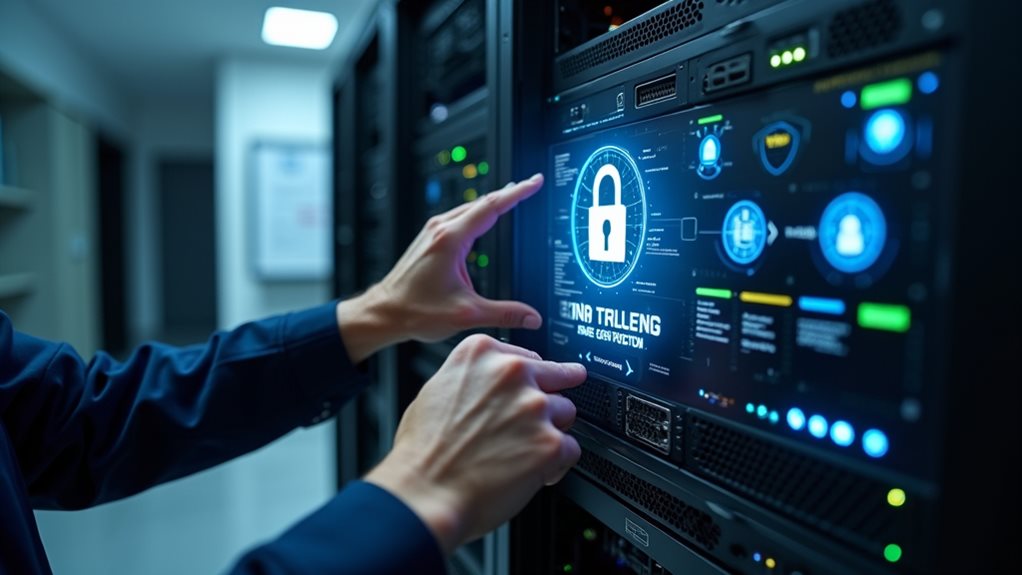
To effectively protect your VoIP infrastructure, you’ll need robust technical safeguards that address the unique vulnerabilities of voice communications. Start by implementing end-to-end encryption methods for all calls and messages, guaranteeing that data remains unreadable if intercepted. This isn’t just good practice—it’s crucial for GDPR compliance.
Your network security should include firewalls specifically configured for VoIP traffic, intrusion detection systems, and regular vulnerability scanning.
Don’t forget to segment your voice network from other data networks to contain potential breaches. You’ll also want to establish strong authentication protocols, requiring multi-factor authentication for administrative access to your VoIP systems. Additionally, it is essential to monitor network traffic for early detection of DDoS attacks, which can severely impact communication services and data integrity.
Managing Call Recording Consent and Retention Policies
Since call recordings contain personal data subject to GDPR regulations, your organization must establish clear consent mechanisms and retention policies.
Effective consent management requires transparency about what you’re recording and why, while thoughtful retention strategies help you minimize risk.
- Implement automated consent notifications that play before recording begins, giving callers the chance to opt out.
- Document your consent processes thoroughly, including timestamps and the specific language used.
- Establish tiered retention periods based on call purpose—keep customer service calls for different durations than sales calls.
- Create a secure deletion protocol that automatically purges recordings once they’ve exceeded their retention period.
Remember that your retention policies should balance business needs with data minimization principles, storing recordings only as long as absolutely necessary. Additionally, ensure that all recorded calls are secured using robust encryption protocols to prevent unauthorized access and maintain compliance.
Creating a VoIP Data Breach Response Strategy

When your VoIP system experiences a data breach, having a thorough response plan already in place can dramatically reduce both financial impact and reputational damage.
Your strategy should include clear breach notification procedures that comply with GDPR’s 72-hour reporting requirement. Establish an incident response team with designated roles for IT security professionals, legal advisors, and communications specialists.
Document every step in your breach response workflow, from detection and containment to investigation and recovery. Regularly test your plan through simulated breaches to identify weaknesses before real incidents occur.
Train your staff to recognize security incidents and understand their responsibilities during a breach. Remember that transparency with affected parties isn’t just a legal obligation—it’s crucial for maintaining trust. Implementing strong passwords and multi-factor authentication as part of your strategy can help prevent unauthorized access during a breach.
Update your response strategy whenever you implement new VoIP features or identify emerging threats.
Frequently Asked Questions
Does GDPR Apply Differently to International Voip Calls?
Yes, GDPR applies whenever you’re processing EU residents’ data, regardless of call origin. You’ll need specific safeguards for international data transfers and explicit consent for call recordings when crossing borders.
Can Voip Providers Serve as Joint Controllers Under GDPR?
Yes, VoIP providers can act as joint controllers when they jointly determine processing purposes. You’ll need to establish clear joint controller responsibilities through agreements that specify VoIP data sharing practices and respective GDPR compliance obligations.
How Do GDPR Requirements Differ for Cloud-Based Versus On-Premises Voip?
Cloud-based VoIP requires you to verify provider’s cloud security and data sovereignty compliance, while on-premises gives you direct control over data storage but demands more responsibility for implementing security measures yourself.
What Documentation Should Voip Vendors Provide for GDPR Compliance?
You’ll need processors’ agreements, compliance checklists, data protection impact assessments, breach notification procedures, security measures documentation, and retention policies from vendors. These vendor responsibilities guarantee your VoIP system maintains GDPR compliance throughout operations.
Do Employee-To-Employee Internal Voip Communications Require GDPR Compliance?
Yes, you’ll need GDPR compliance for internal VoIP communications since they involve employee privacy. Even when communications are purely internal, you’re still processing personal data that requires protection under data protection regulations.
Final Thoughts
You’re now equipped to steer through the complex intersection of VoIP and GDPR. By understanding your obligations, conducting thorough impact assessments, implementing robust safeguards, managing consent properly, and preparing for potential breaches, you’ve created a foundation for compliance. Don’t view GDPR as merely a regulatory burden—embrace it as an opportunity to strengthen customer trust while protecting valuable communication data in your VoIP systems.